
Technical Training
Effectiveness Program
Quick reference and review guide for participants of the the Technical Training Effectiveness Program.
Core Principles
Core Principles In Training

Involve the trainee in the planning and delivery
Collaboration, opinion, and discussion increases retention
Adults gain more when they can pull past experiences into the learning process
Memorizing is hard for adults. Use reasoning/problem avoidance approach to make it stick
Enable some self-directed learning. Let your learners figure it out themselves
Support the experiential learning cycle
Set Your Trainees Up For Success

Make them feel welcome
Learn who they are
Find out how they learn
Provide Opportunities to grow
Set Expectations
Be flexible and supportive
5 Step Job Instruction & Coaching Process
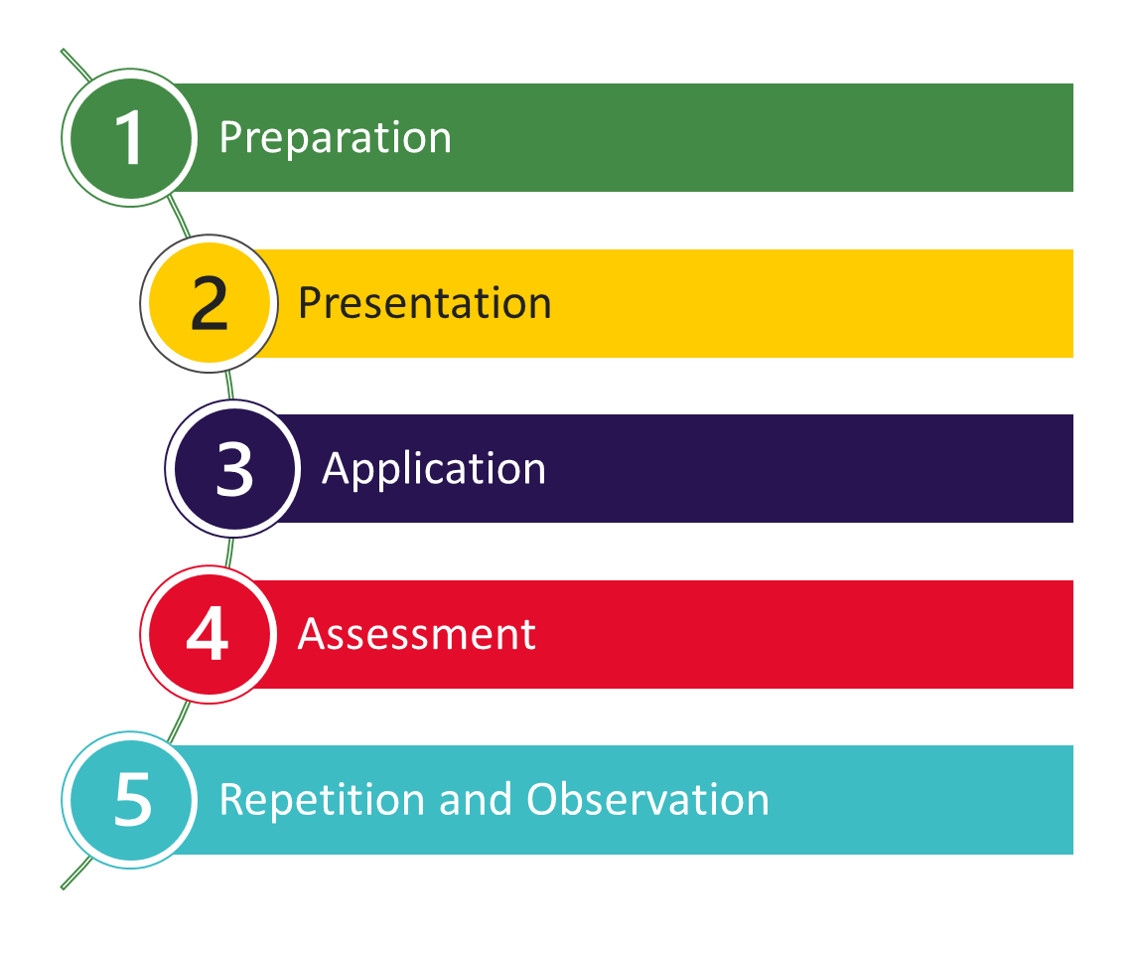
Step 1 - Preparation
Decide what will be covered
Explain why this job task is important
Break down a job into steps
Prepare all the materials, tools, job/work orders that are used in performing the job task
Arrange the worksite for training

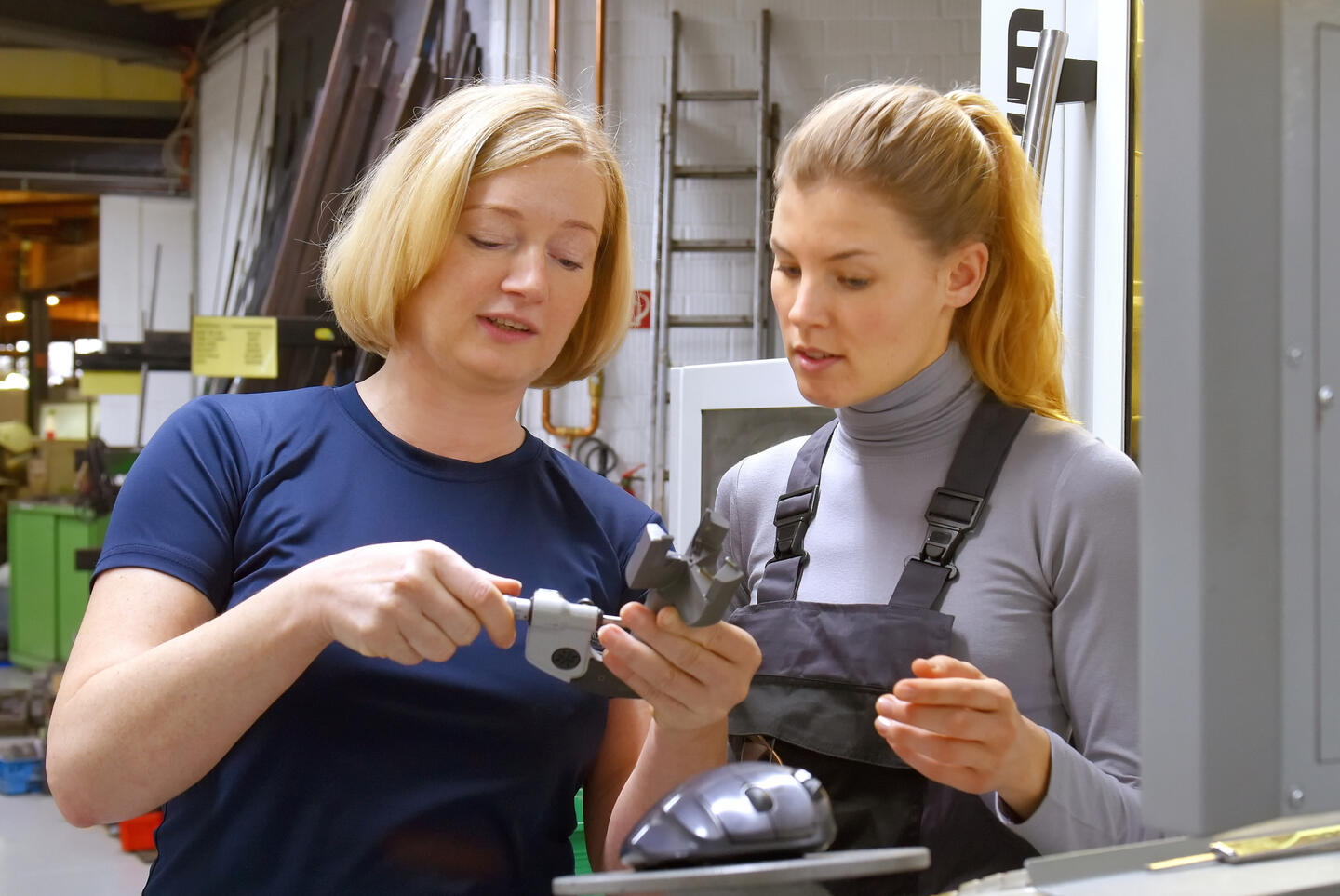
Step 2 - Presentation
Review with the trainee what is about to happen – Presentation and Practice Steps.
Perform the job task, completing each job step that composes the task in the correct order, while the trainee observes. You may want to repeat any step that the trainee doesn’t seem comfortable with or is not fully comprehending.
Present clearly the activities composing the job – including the operation and its component steps, as well as key points and the reasoning behind the process.
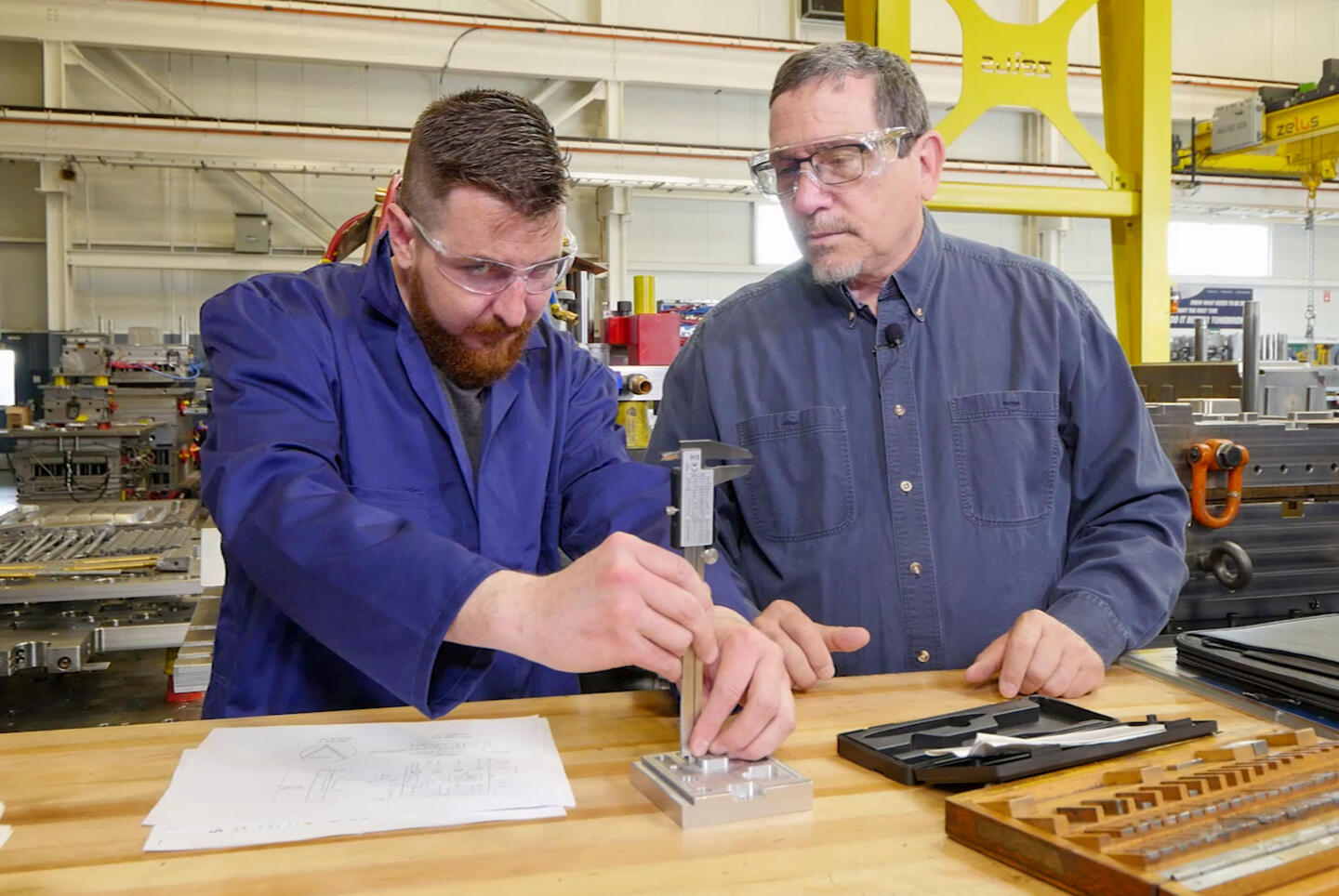
Step 3 - Application
Ask the trainee to immediately perform the activities that were demonstrated in Step 2 while you the trainer observe
Encourage the trainee to ask questions as he/she performs the activities and evaluate their performance.
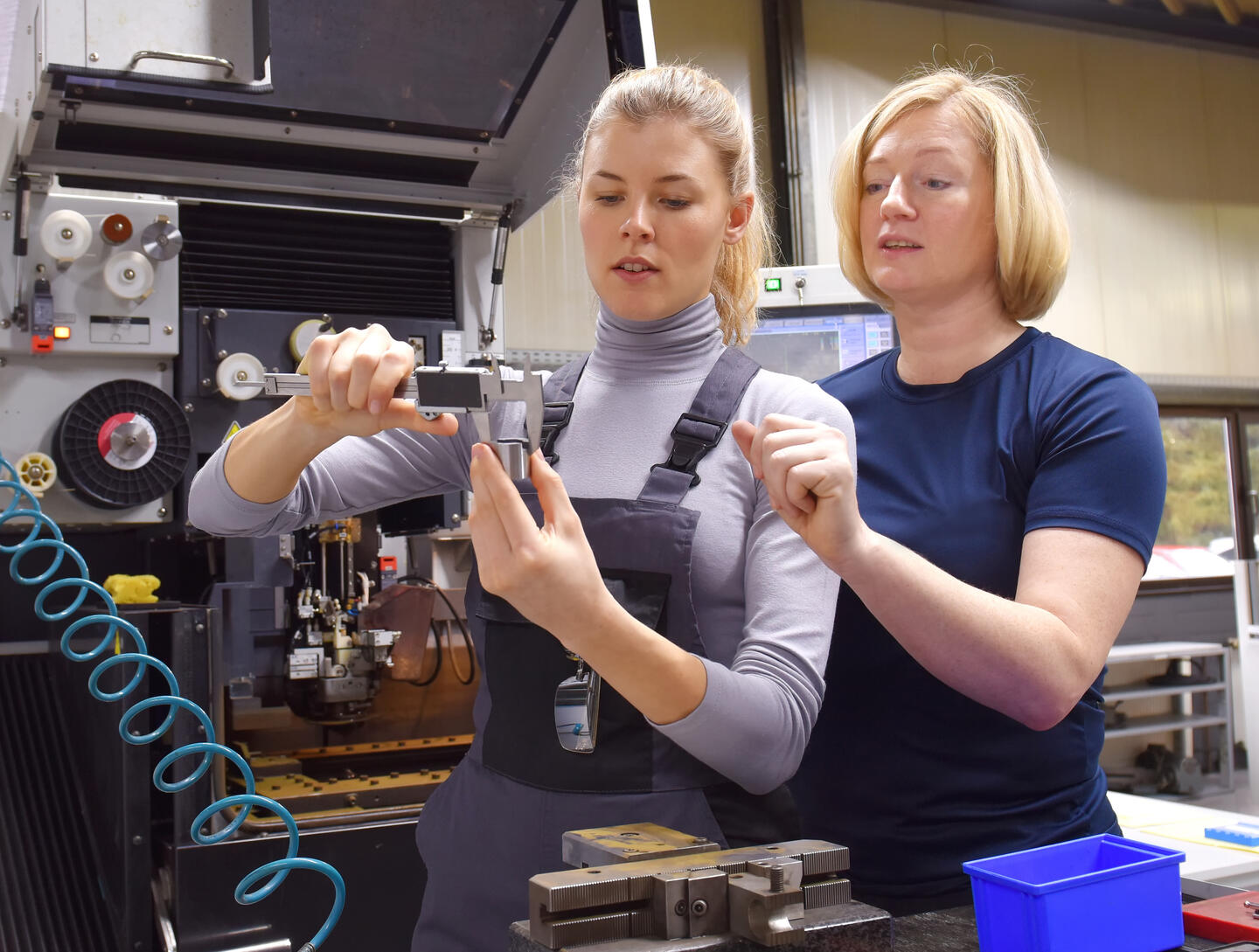
Step 4 - Assessment
Present your assessment of how well the trainee performed the job step, identifying any operations or movements that were not performed correctly and noting all operations and movements that the trainee performed correctly.
Demonstrate any movements or work practices that could be improved by the trainee.
Ask the trainee to complete the step again, while the trainer is observing. Provide feedforward. If you and the trainee feel confident that the trainee can now proceed on their own, go to Step 5. If not, repeat Step 4 focusing on those functions or movements that the trainee is not performing correctly.
Step 5 - Repetition and Observation
Present your assessment of how well the trainee performed the job step, identifying any operations or movements that were not performed correctly and noting all operations and movements that the trainee performed correctly.
Demonstrate any movements or work practices that could be improved by the trainee.
Ask the trainee to complete the step again, while the trainer is observing. Provide feedforward. If you and the trainee feel confident that the trainee can now proceed on their own, go to Step 5. If not, repeat Step 4 focusing on those functions or movements that the trainee is not performing correctly.
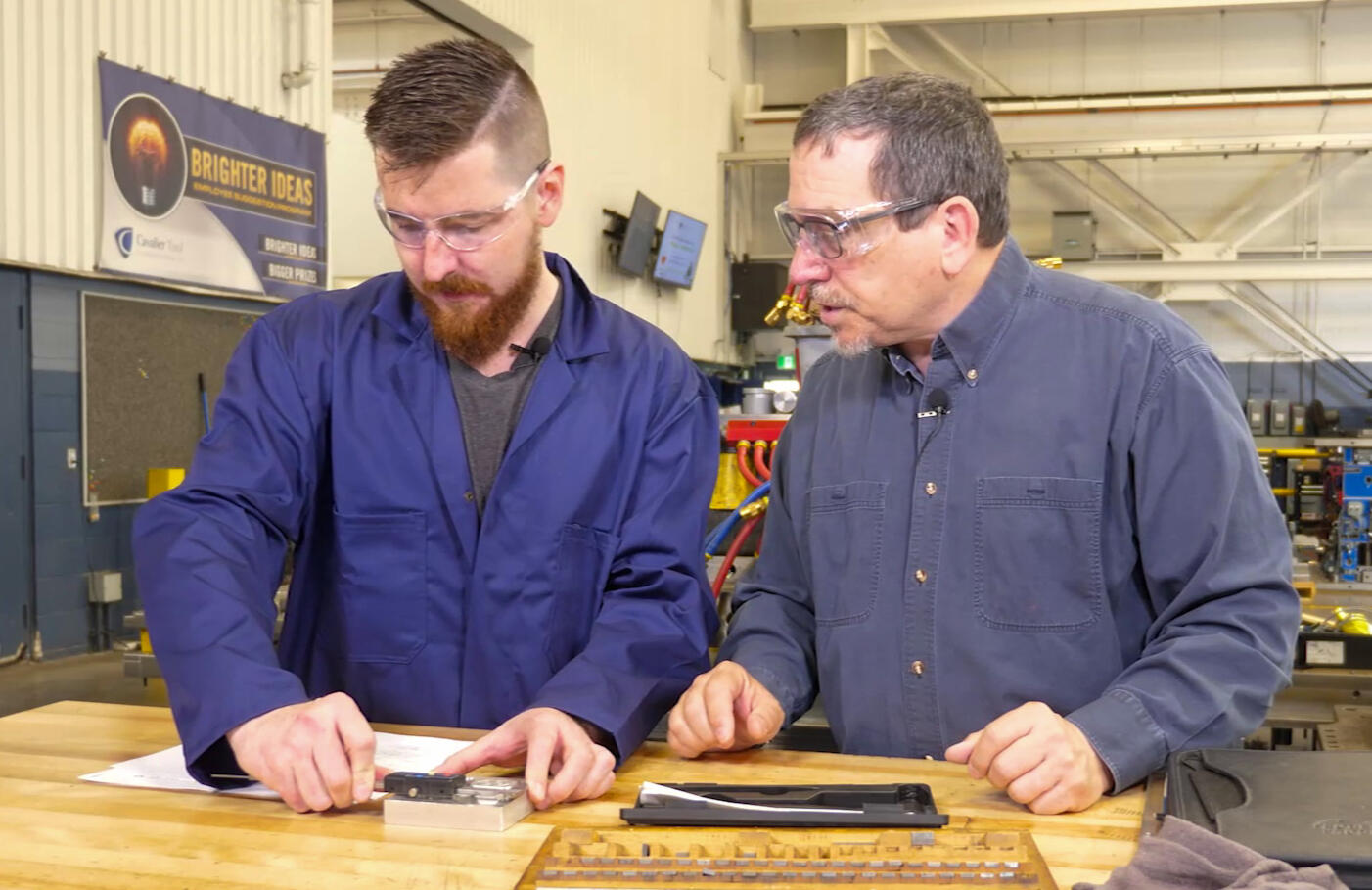
Digital Caliper Videos
Communications
Communication & Clarity -----
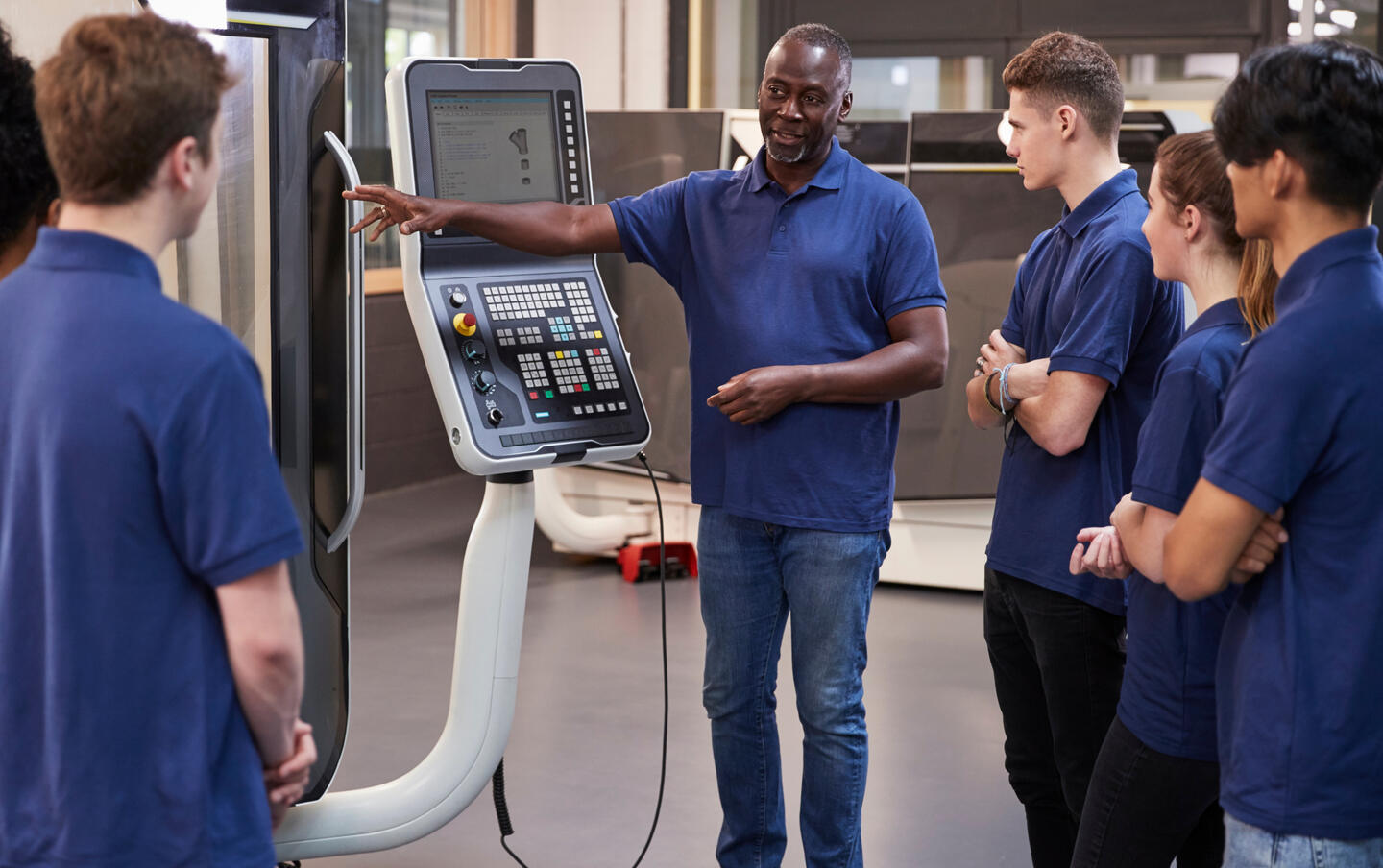
Transferring technical knowledge and processes often involves complex ideas.
TRY TO:
Simplify your concepts by communicating with visuals, analogies, and examples
Provide context by explaining why a skill is necessary
TRY NOT TO:
Assume prior knowledge
Overwhelm learners with jargon.
Engagement and Interaction -----

Engaged learners retain more and feel empowered to ask questions.
TRY TO:
Make them welcome by showing them around, explaining the importance of their job, and learning about them
Set clear expectations by providing them with goals and a timetable to meet them
Encourage participation through discussions, questions, and interactive activities.
TRY NOT TO:
Deliver long, detailed explanations without involving the trainee.
Adaptability and Flexibility -----
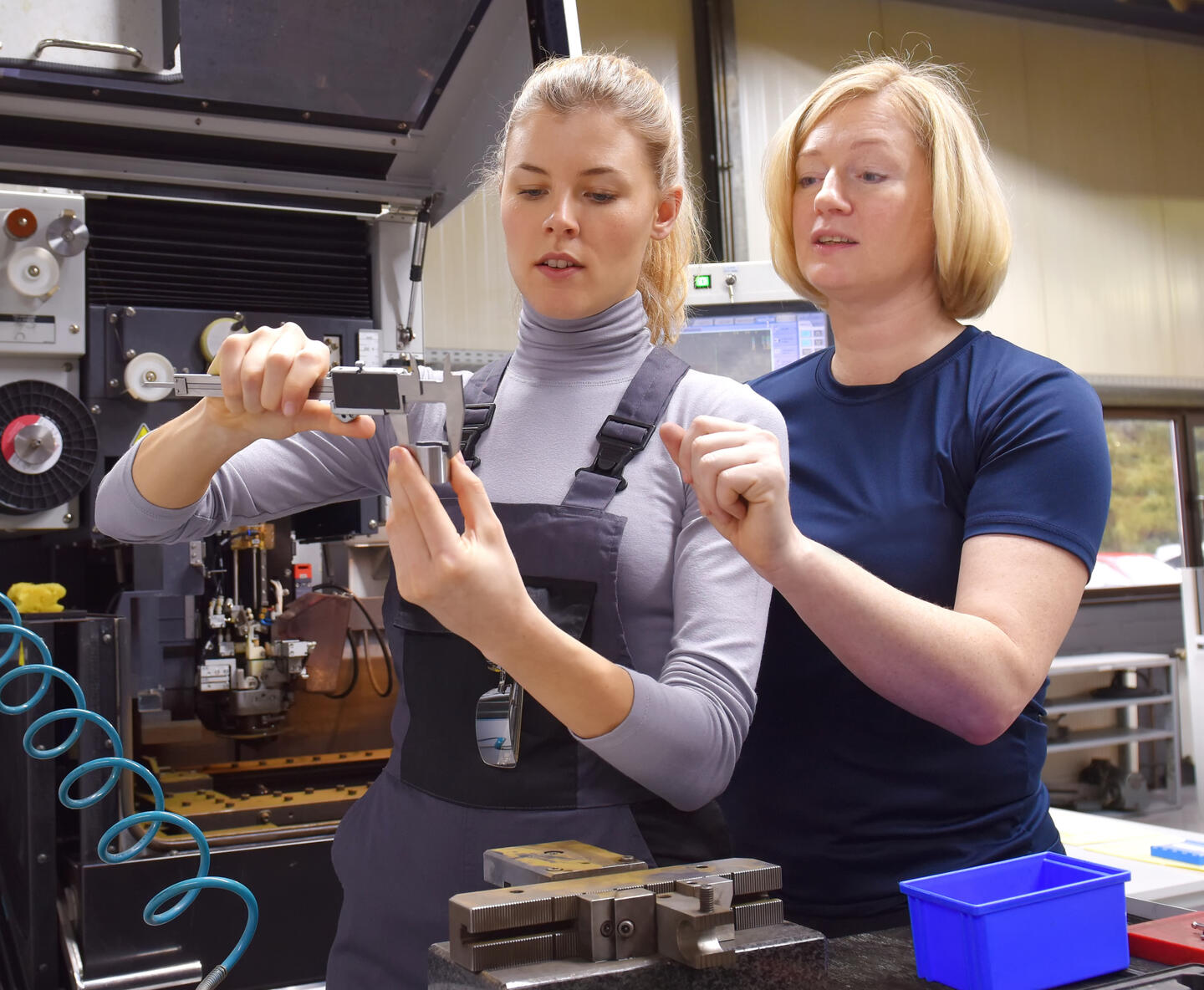
Every learner has a different pace and preferred learning style.
TRY TO:
Adapt explanations or activities based on the trainee’s experience level.
Listen actively and be patient. Not all periods of silence not have to be filled
Be flexible and supportive
Summarize and confirm
TRY NOT TO:
Stick rigidly to a pre-written plan, even if the trainee seems confused or disengaged. It may be worth taking a break or a few steps back or taking a break.
Empathy and Patience -----

Learners may struggle with new concepts, and a patient, empathetic trainer builds confidence.
TRY TO:
Show respect for the trainee and listen
Validate concerns – they could be based on previous experiences
TRY NOT TO:
Get frustrated with slow learners that may have basic questions.
Interrupt and rush the Trainee
Feedback vs Feedforward -----
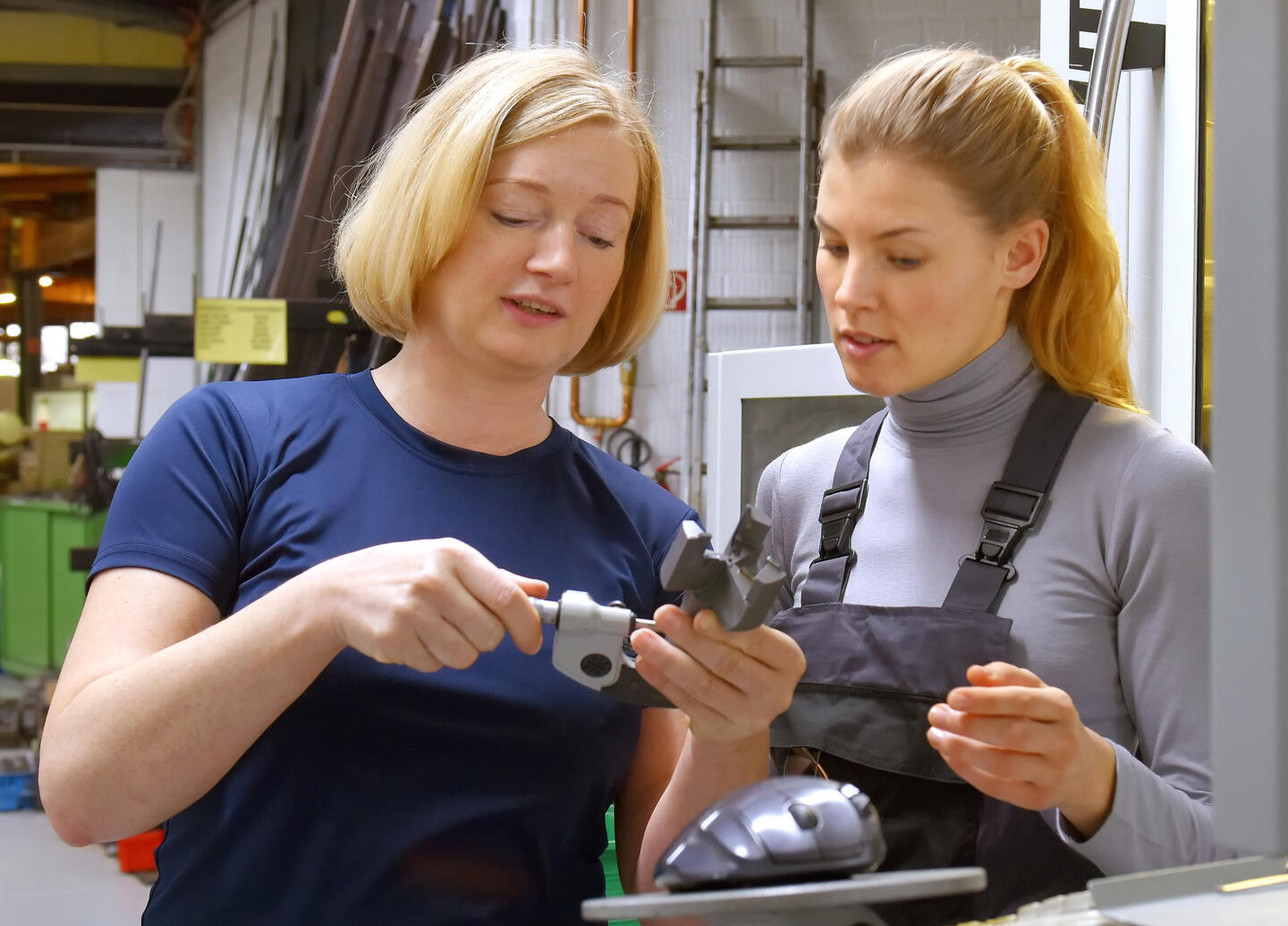
Trainees need to know not just what they did wrong (FEEDBACK) – but also what they should do in the future (FEEDFORWARD) to help them improve.
TRY TO:
Give Useful Feedback + Feedforward Quickly: Provide specific advice right away
Encourage Open Communication: Listen to their suggestion and discuss how to move forward
Encourage Sharing:Allow experienced workers to contribute their knowledge, making the training collaborative.
TRY NOT TO:
Give Unclear or Late Feedback/Forward: Being vague or waiting too long confuses the Trainee more. or being vague doesn't help others learn effectively.
PRO TIPS -----
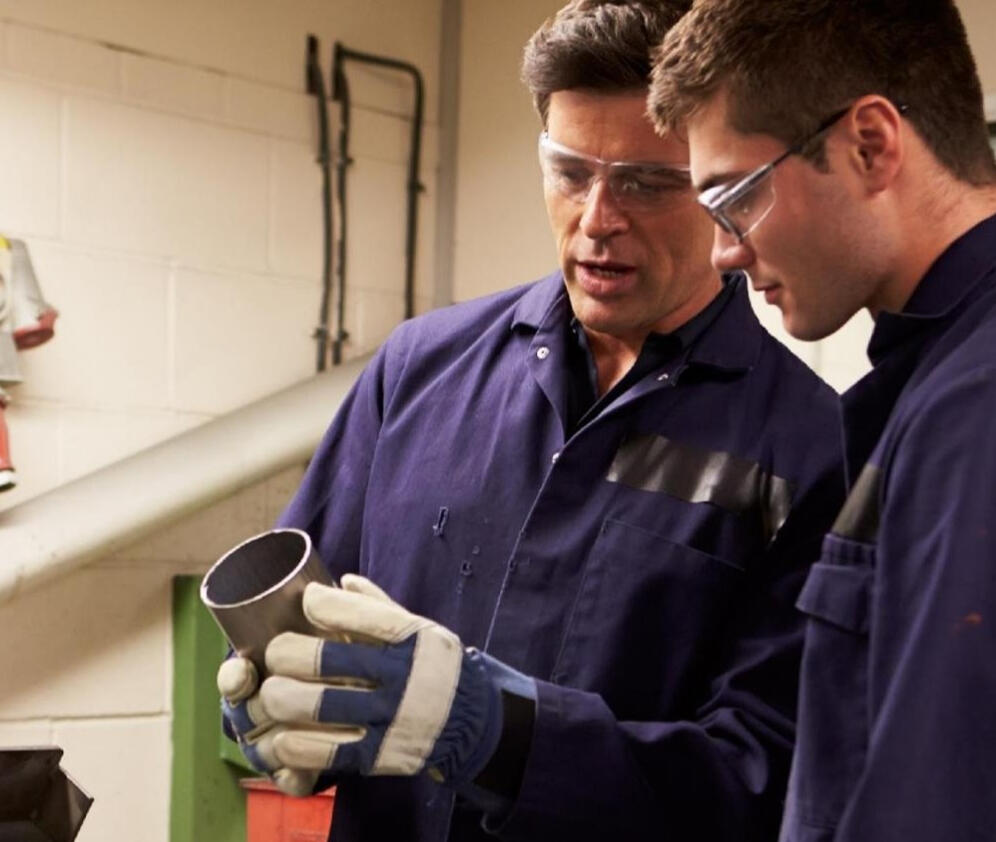
Daily micro conversations build trust
Be interested and engage Trainees
What did you do that worked well today?
What new things did you learn today that you didn’t already know?
How did you modify your approach make it work better?